Screw Heads And Washers
Washers dry out and crack under strong sun, and water sits at the screw head. Rust starts there, so every screw gets checked and sealed or upsized.

Whetstone roof coating for metal shops near the State Route 90 and Route 82 junction. We grade the rust on every panel run before choosing primer and coating.
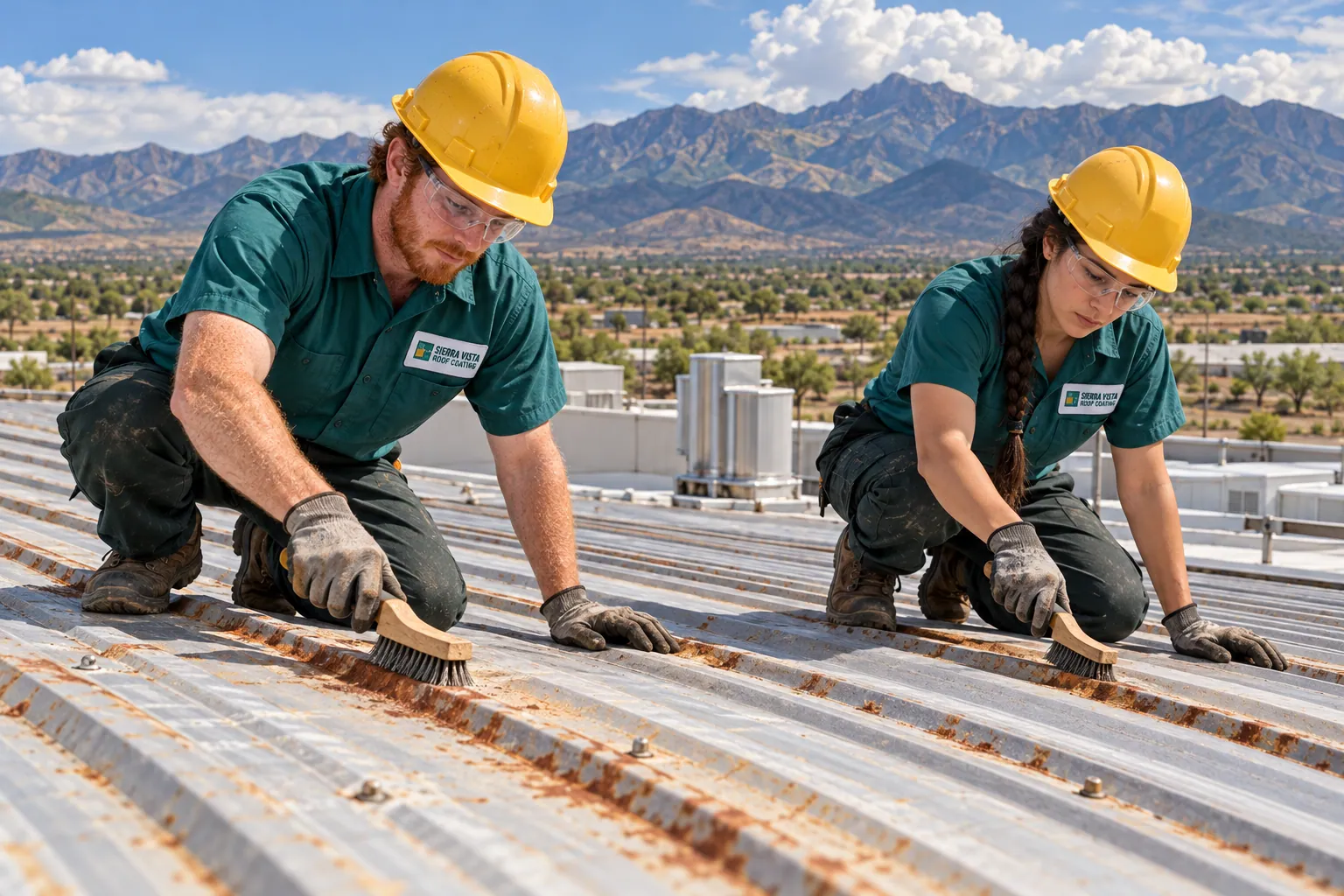
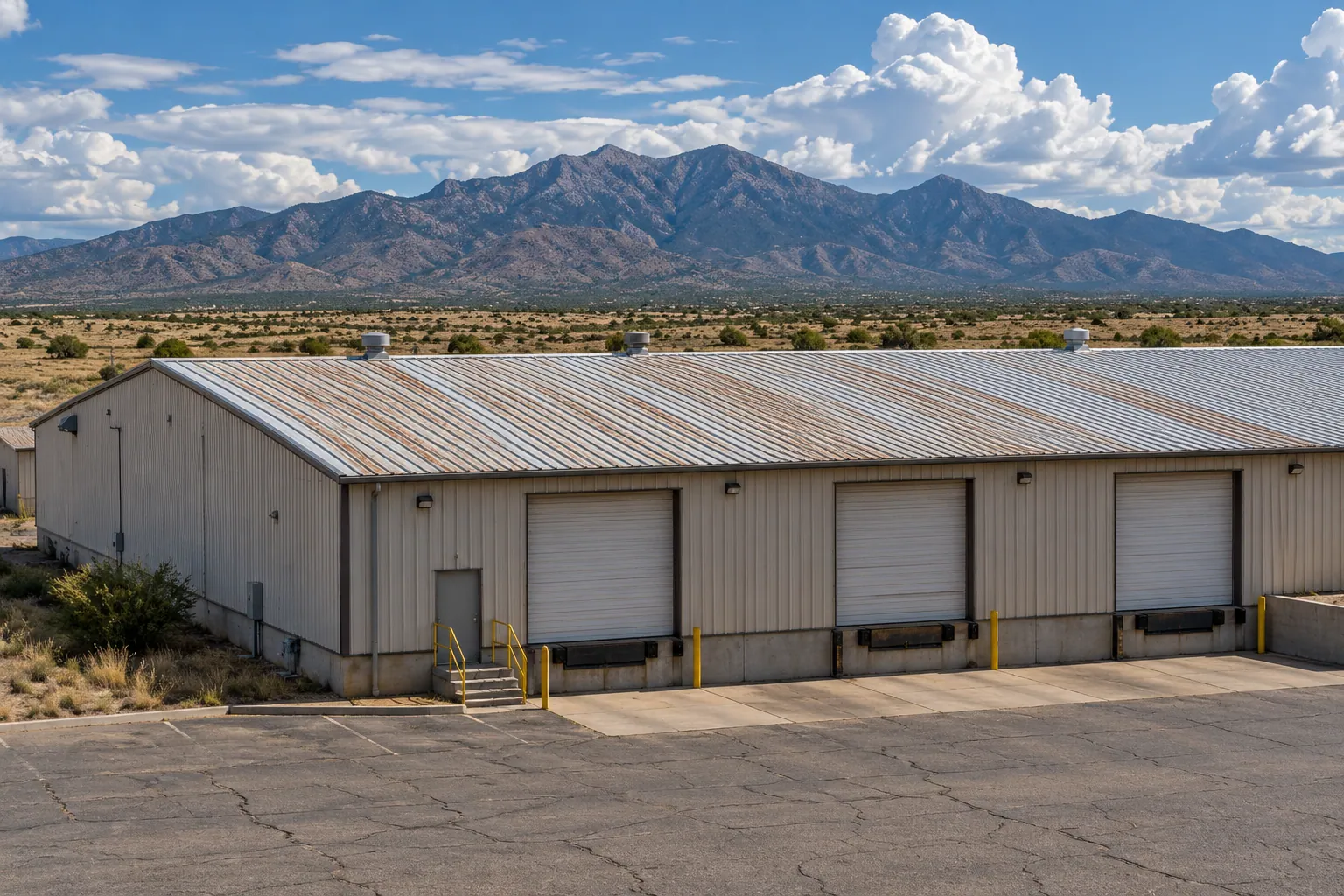
Metal shops near the junction of State Route 90 and Route 82 carry a mix of rust: light bloom at screws, heavier scale at end laps, and sometimes holes at gutters. Each kind gets different prep.
We grade every panel run before choosing primer or coating. Light bloom gets brushed and primed, scale gets power-tooled to firm steel, and holed sections get replaced first.
Rust on a metal shop roof follows the water and the cut edges. These six places get graded first.
Washers dry out and crack under strong sun, and water sits at the screw head. Rust starts there, so every screw gets checked and sealed or upsized.
Water wicks into the overlap where one panel ends over the next, and rust grows hidden between the sheets. Laps get opened, cleaned, and bridged with fabric.
Gutters hold water and debris, so they often rust through before the panels. Holed sections are replaced before any coating goes near them.
Field-cut edges at ridges and penetrations lost their factory coating when they were cut. Bloom shows there first and gets brushed and primed.
Curbs and vents cut through the steel, and leaks around them keep the panel wet. Rust there is heavier and gets power-tooled down to firm metal.
Open ground around the junction leaves shops exposed to gusts, which work fasteners loose over time. Loose screws get tightened or replaced with a larger size.
Coating a metal shop at the right time stops rust before it reaches the steel's core. These gains depend on catching it early.
Priming and coating surface bloom now stops it before it turns into scale or holes, which keeps the panels on the building for many more years.
Each fastener ends up tightened, sealed, and covered by the coating, which closes the most common leak point on a metal shop.
Fabric bedded in coating over the end and side laps keeps water out of the overlaps where hidden rust grows.
A white topcoat reflects sun off the steel, which keeps panel temperatures down inside shops that often run without much insulation.
Most Whetstone metal shops take one of these two systems after rust prep.
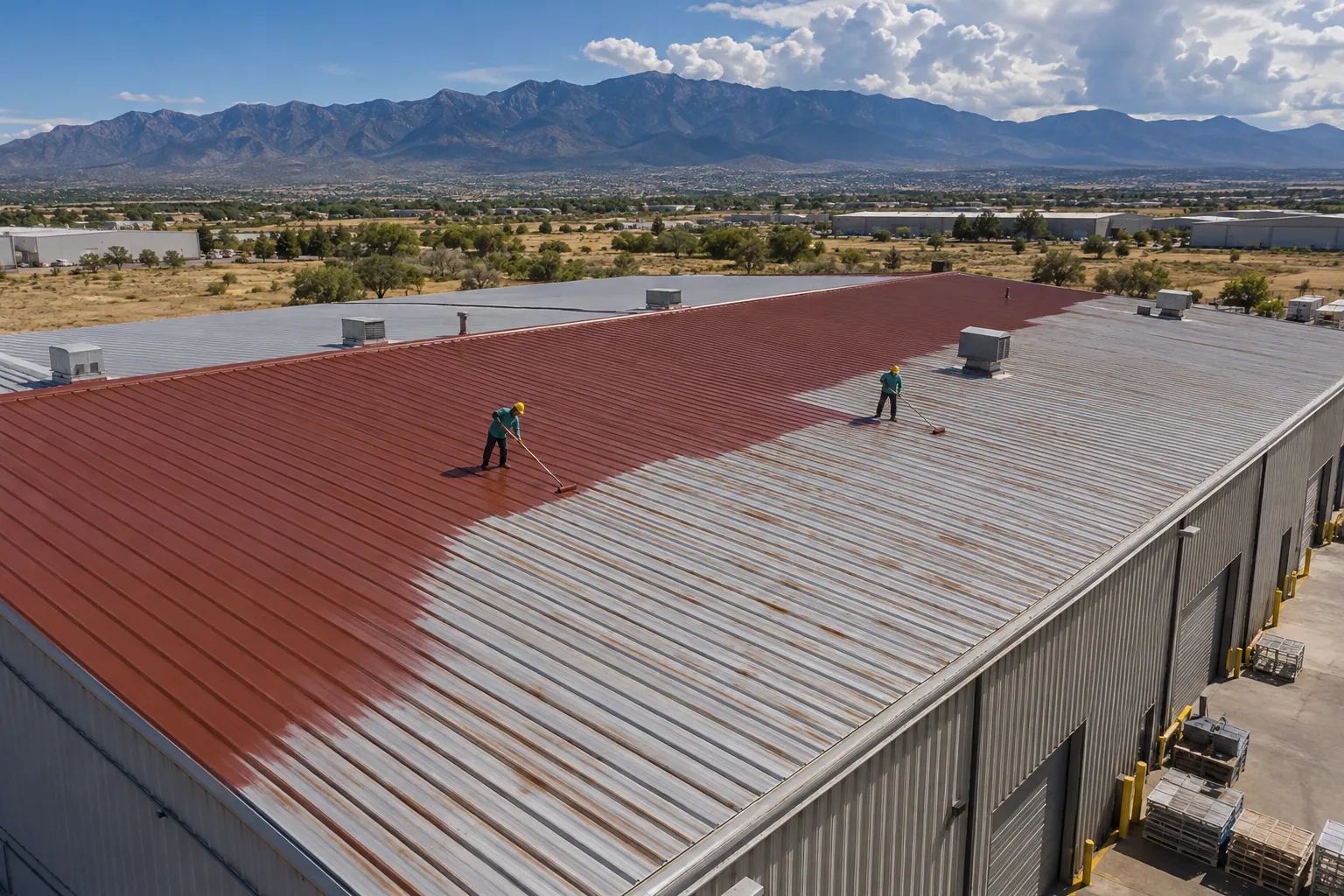
Rust grading, primer, sealed fasteners, and lap fabric make up the full metal system for shops near the junction.
Metal Roof Coating details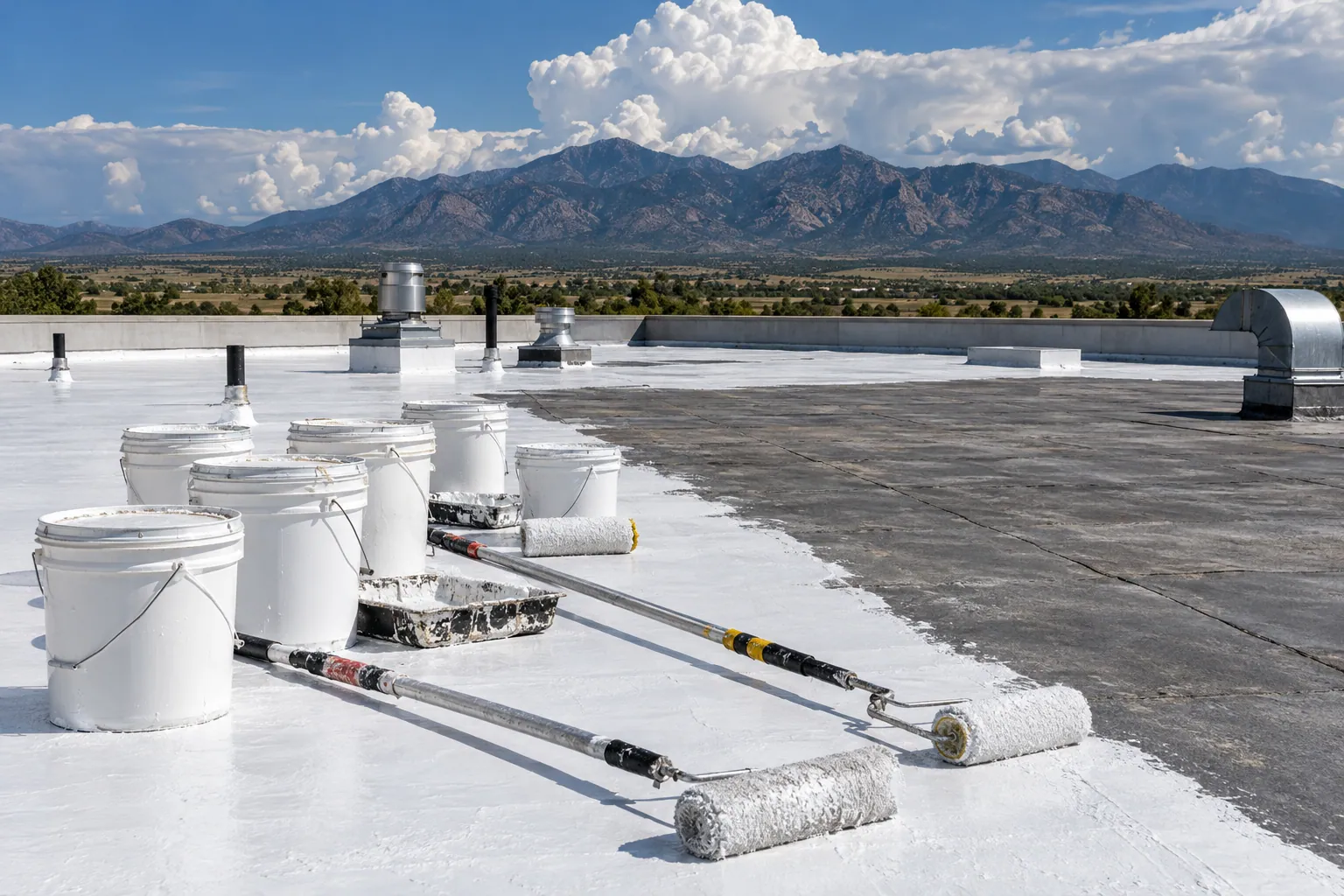
Pitched metal shops that shed water fast take an acrylic topcoat over the primed steel, with easy recoats later.
Acrylic Roof Coating detailsCall and tell us where daylight shows through and how many panels look affected, and we will plan the prep.
Call UsThe rust grade sets the prep for each panel run. The order of work stays fixed.
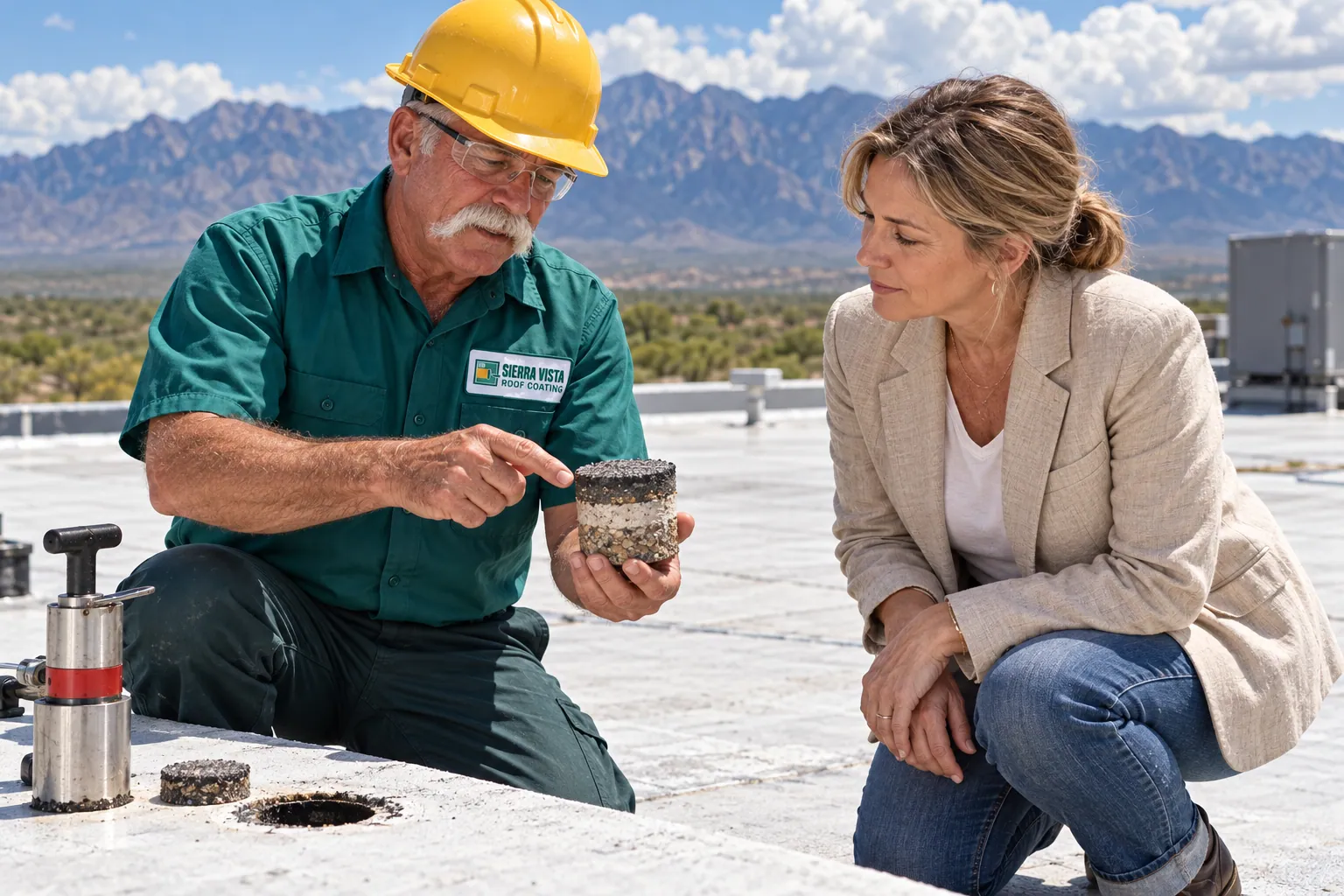
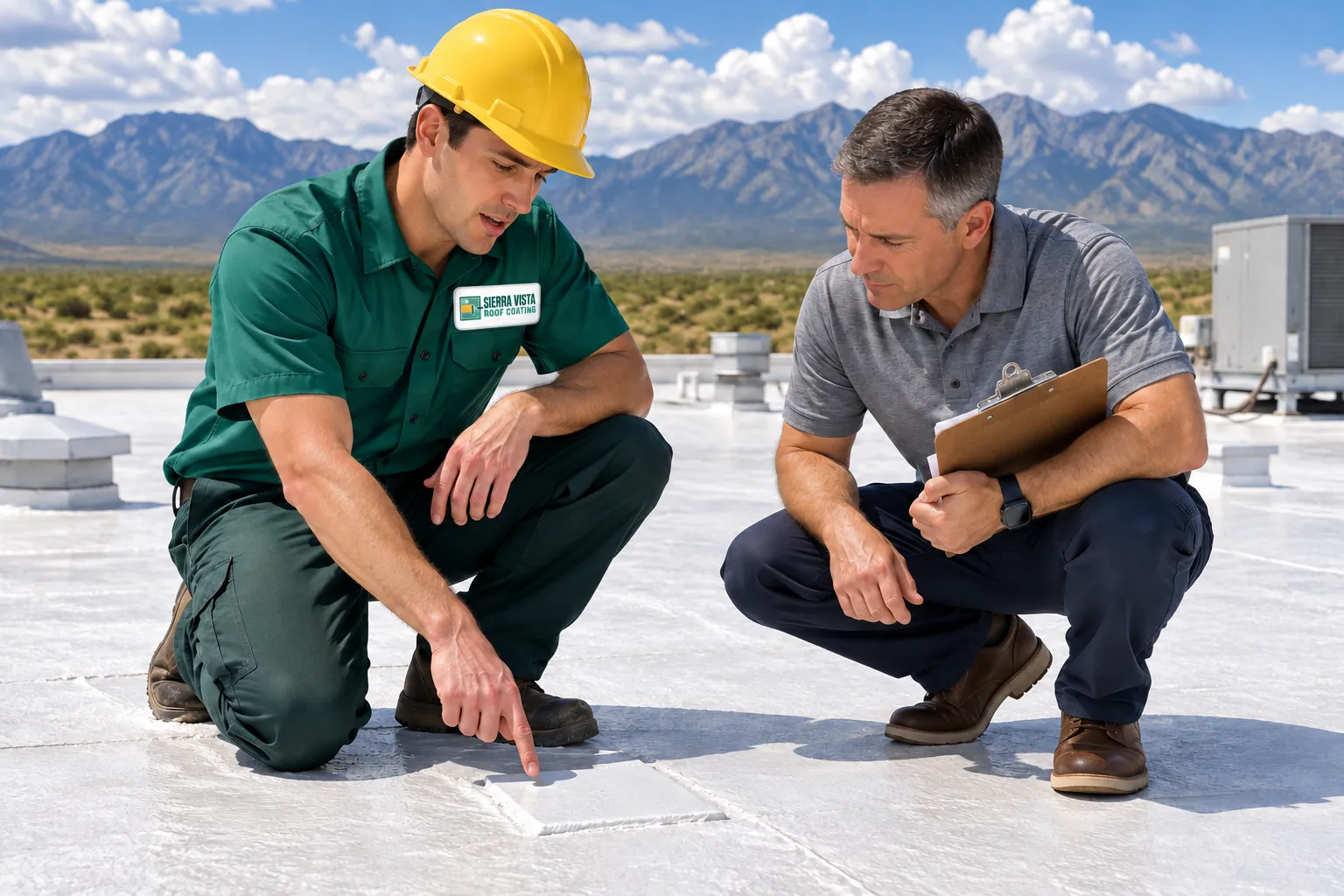
Every panel run is graded for rust from bloom to holes, screws are checked, laps are opened where rust hides, and gutters and curbs are tested. You get photos marked by grade.
Holed panels and gutters come out first. Scale gets power-tooled and bloom gets wire-brushed down to firm steel, then the roof is washed and dried.
Rust-inhibiting primer goes on every treated area. Screws are tightened or upsized and sealed, and fabric is bedded over each side and end lap.
The topcoat goes on in passes to the specified thickness, with extra build at screw heads and laps. A wet-mil gauge checks each run as it is finished.
Whetstone sits where State Route 82 meets State Route 90, north of Sierra Vista.
Huachuca City is just south on SR 90, with shared low-slope strip roofs over storefronts.
Tombstone is east along SR 82, where coating color on visible roofs goes through historic review.
Benson is north on SR 90 at Interstate 10, with long warehouse roofs and water standing midfield.
Answers for owners of metal shops and buildings around Whetstone.
Prep decides whether the coating stays on, and it takes longer than the coating itself. On a metal shop, that means power washing the dust off, cutting out or replacing damaged areas, sealing seams, fasteners, and curbs, priming the steel, and running a small adhesion pull test before the topcoat.
Whetstone is unincorporated, so Cochise County Building Safety covers it. The county excludes commercial projects from its minor-work exemptions, so ask the county even when the job only covers seams and fasteners.
Surface rust brushes off to firm steel underneath. Scale flakes in layers and leaves pitting, and a screwdriver tip pushes through rotted steel. We grade each panel run this way and mark it on the inspection photos.
Yes, once loose paint is removed and the remaining paint passes an adhesion test. Chalky factory finishes get washed and primed. Peeling layers that lift with tape come off before any coating.
The rusty runs get the heavier prep, and the whole roof still gets cleaned, primed where needed, and coated. Coating only the rusty half leaves the rest of the screws and laps open to the same problem a few years later.
Yes. Gusty afternoons blow dust onto wet coating and push spray off target. Crews start early on open lots near the junction and stop spraying when gusts rise, then finish with rollers or wait for calmer hours.
A rust-inhibiting primer made for the coating system goes on every brushed or tooled area, after the steel is clean and dry. The coating maker's data sheet names the primer, and a small test patch confirms it holds to the panels before the full job.
Usually, yes. Brushing and power-tooling make noise, and primer and coating give off odor while they cure, so we plan those steps around doors, vents, and the hours your shop runs. Work moves one panel run at a time.
Start with a free ballpark estimate for your metal shop, or call and describe the rust you see.
Want A Call About Your Roof?
Leave a name and number and we will call you back about your roof.
Or call now: (623) 310-0185